What is the fertile window?
The fertile window includes days before ovulation. How long eggs and sperm survive, why the dates vary, and when to ask for advice.
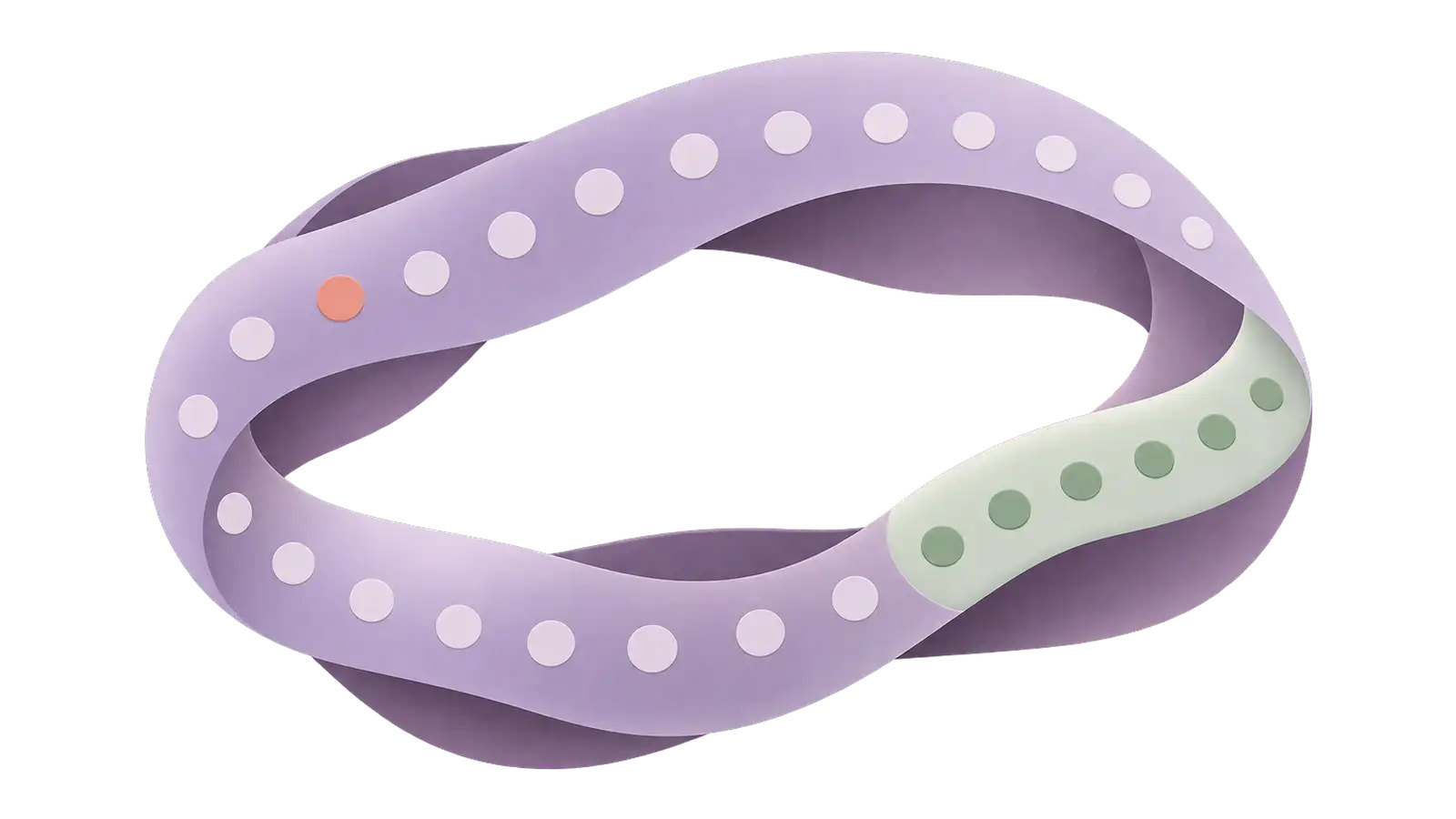
The fertile window is the part of your cycle when sex can lead to pregnancy. It includes several days before ovulation and ovulation day itself. This is because sperm may still be alive when an ovary releases an egg. The egg doesn’t have to be there yet when you have sex.
Knowing what the window means is easier than knowing when it will fall in your next cycle.
Why the days before ovulation count
Ovulation is when an ovary releases an egg. The egg moves into a fallopian tube, where sperm may fertilise it. Cleveland Clinic’s ovulation guide says an egg survives for about 12 to 24 hours after ovulation. Sperm can survive in the uterus for three to five days. The guide says sex can lead to pregnancy from about five days before ovulation to one day after it.
The window is longer because sperm survive longer. The egg is only there for a short time. If you wait until you think ovulation has happened, you may miss days when sperm could already have been there.
Here is a made-up example. Say ovulation happens on a Friday. Sex earlier that week could lead to pregnancy if sperm survive until the egg is released. Friday is not a day to aim for. This example also can’t tell you which days are fertile in your own cycle.
Research often describes a six-day fertile window: the five days before ovulation plus ovulation day. The peer-reviewed paper Period tracker applications: What menstrual cycle information are they giving women? uses this definition in its introduction. The definition doesn’t tell you how to find the window ahead of time.
Health guides for the public count the days differently. Cleveland Clinic includes the day after ovulation, because the egg can survive after it is released. The NHS guide to the menstrual cycle gives a longer time for sperm: up to seven days in the fallopian tubes. These figures are different, and you can’t swap one for another.
Use these figures to understand why sex before ovulation can lead to pregnancy. Don’t treat a maximum or a research definition as a promise that pregnancy can’t happen outside set dates. Knowing how long sperm or an egg may survive still doesn’t tell you when you actually ovulated.
Counting from your period
Day one of your cycle is the first day of your period. You start counting when bleeding starts, not on the first day after it stops. The NHS says ovulation usually happens around 10 to 16 days before your next period. That range counts back from a period that hasn’t come yet.
If the time between your periods varies, counting forward from your last period can’t tell you exactly when the next egg will be released. Because cycles can be shorter or longer, one mid-cycle date for everyone doesn’t help. Even your average cycle length can’t tell you how long this cycle will be.
The same NHS guide says pregnancy is possible soon after a period ends. This is more likely if you ovulate early or have a short cycle. Your bleeding stopping doesn’t mean you can’t get pregnant.
Body signs of ovulation, such as mucus, temperature and test results, tell you different things from calendar dates. Some signs only help after ovulation has passed. That guide explains what each sign can suggest and where its limits are.
If you are avoiding pregnancy
A calendar or a fertile-window estimate can’t find guaranteed “safe days”. You may still get pregnant outside the estimated window. So don’t use it to decide when to stop using contraception.
Fertility awareness needs training from a qualified professional and daily checks. It may not suit you if your periods are irregular. The NHS also does not officially recommend any fertility-tracking apps or monitoring devices.
Learning a fertility awareness method takes more than reading highlighted dates. Ask a GP, nurse or sexual health service which contraception suits you and how to use it.
Ruva gives estimates based on the history you log. It is not contraception. It does not detect or confirm ovulation. Read what a fertility window estimate can and can’t tell you to see the app’s limits.
If you are trying for pregnancy
The NHS describes regular unprotected sex as sex every two to three days. This way, you don’t need to pick a single date from a calendar. You also don’t need to know your exact ovulation day before you ask for advice.
That advice is about getting pregnant through sex. Some people need donor sperm, can’t have vaginal sex or want advice about another route to pregnancy. If that’s you, ask a healthcare professional about an assessment that fits your situation.
There are set times to ask for fertility advice:
- See a GP if you haven’t got pregnant after a year of regular unprotected sex. Ask for advice sooner if you’re 36 or over, or if you have another concern, such as past cancer treatment or a possible sexually transmitted infection.
- US guidance words the age limits differently. ACOG recommends an assessment after a year of regular sex without contraception. That drops to six months if you’re older than 35. If you’re older than 40, talk to someone now.
If your age means you should ask sooner, don’t wait for the longer general time limit.
A fertility assessment looks at more than the timing of sex. The NHS describes blood tests to check ovulation and semen analysis to check sperm, depending on your situation. If you are trying with a partner, one or both of you may need tests.
Write down the period dates you know and how long you’ve been trying. Add these to your notes for a healthcare appointment. Leave gaps where you can’t remember.
Pelvic pain needs separate attention
Don’t ignore pelvic pain just because it happens near an estimated fertile window. See a GP for pain that doesn’t go away. Get urgent advice for pelvic pain with unusual bleeding or discharge, a fever, or if you could be pregnant. In the UK, contact NHS 111 for urgent advice. Elsewhere, use your local urgent medical service.
Some pain needs emergency help. This includes pelvic pain that is severe or getting worse. It also includes pain with feeling faint, pain at the tip of your shoulder, trouble breathing or heavy vaginal bleeding. In the UK, call 999 or go to A&E. Elsewhere, call your local emergency number or go to the emergency department. Don’t wait to work out where you are in your cycle.
Quick answers
How many days are you fertile?
It is often described as the five days before ovulation plus ovulation day. Some health guides also count the day after, because an egg can survive after it is released. None of these gives you guaranteed safe days on a calendar.
When am I most fertile?
You are most fertile around ovulation. That includes the days before it, because sperm may survive until an egg is released. It isn't always the same cycle day each month.
Can I get pregnant just after my period?
Yes, it is possible. The NHS says pregnancy can happen soon after a period ends if you ovulate early or have a short cycle.
Sources
- Ovulation: Calculating, Process, Pain & Other Symptoms, Cleveland Clinic
- Period tracker applications: What menstrual cycle information are they giving women?, Women's Health
- Periods and fertility in the menstrual cycle, NHS
- Natural family planning, NHS
- Diagnosis of infertility, NHS
- Evaluating Infertility, American College of Obstetricians and Gynecologists
- Pelvic pain, NHS
Keep reading
-
-
-


Browse more fertility and trying-to-conceive guides, the full Learn library, or common questions about periods and Ruva.